
01

Territory assessment
We review rights, forest cover and local conditions with the territory’s organisations.
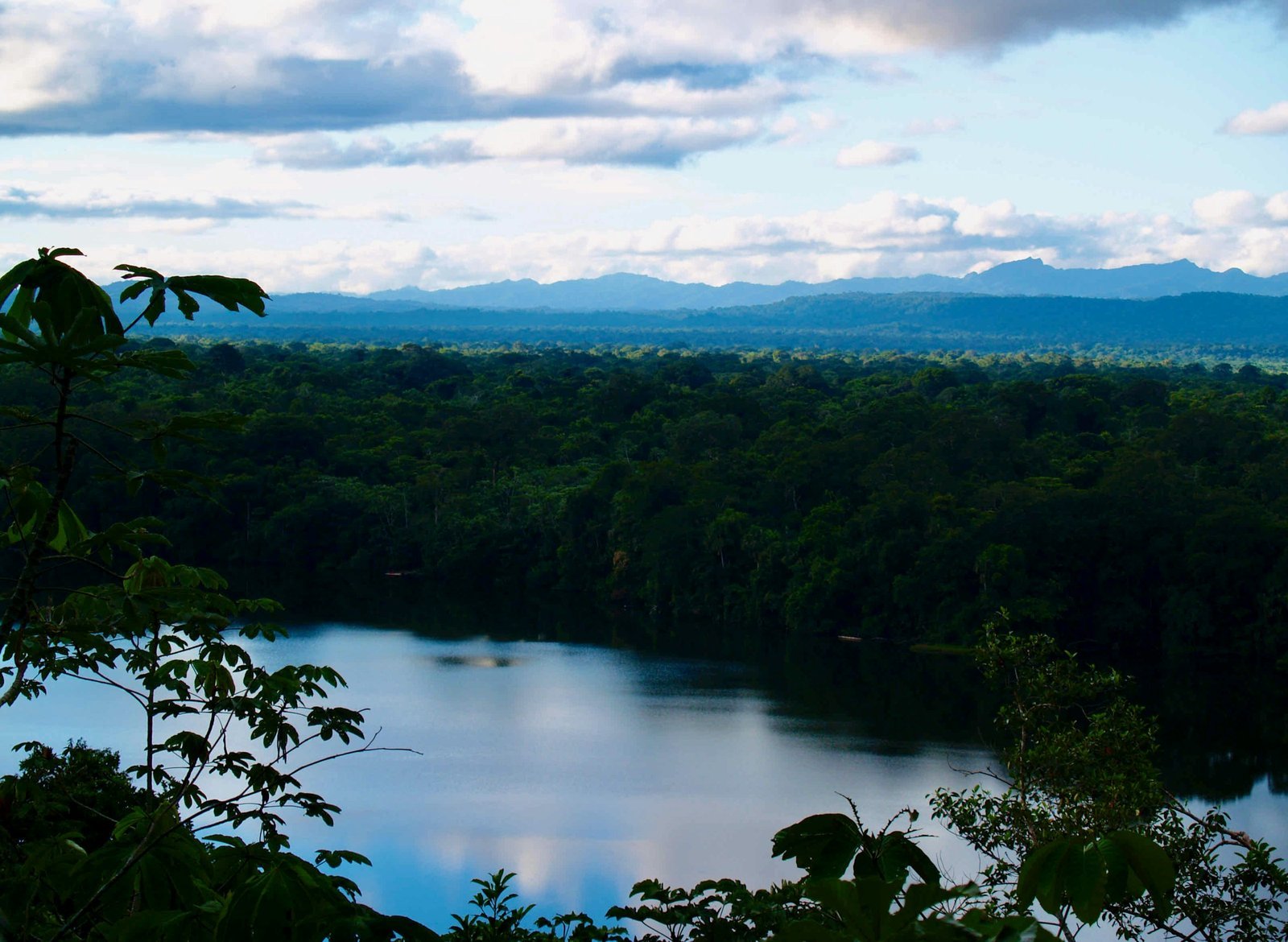
We develop forest carbon projects with territorial organisations in Bolivia, from assessing the territory to reaching the market.
See how we work.
Explore YVYOperating model
We assess territories, coordinate project development and seek buyers.
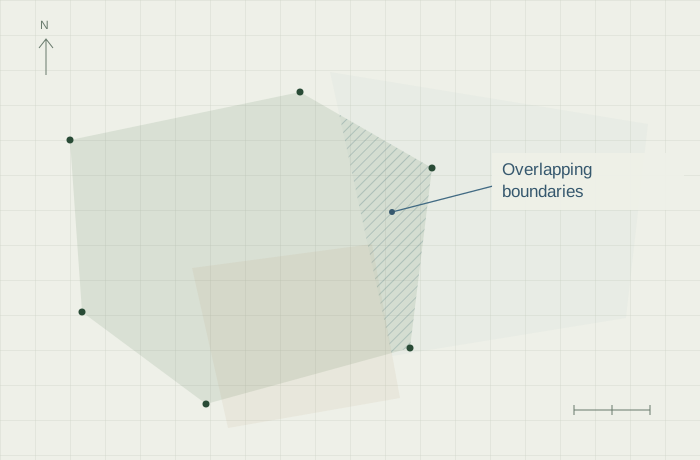
We review rights, forest cover and local conditions with the territory’s organisations.
We coordinate the legal, technical and financial work needed for validation and registration.
We connect eligible projects with potential international buyers.
Credit issuance depends on passing each stage’s assessments; it is not guaranteed.
Project types
We assess conservation, restoration and forest management options according to each territory’s conditions.
The methodology is selected for each project.
Technical reference · Land-use project types (Verra)These options do not represent certified YVY projects.
Each region requires its own assessment of forests, water and land use.
We study where forest carbon projects are viable.
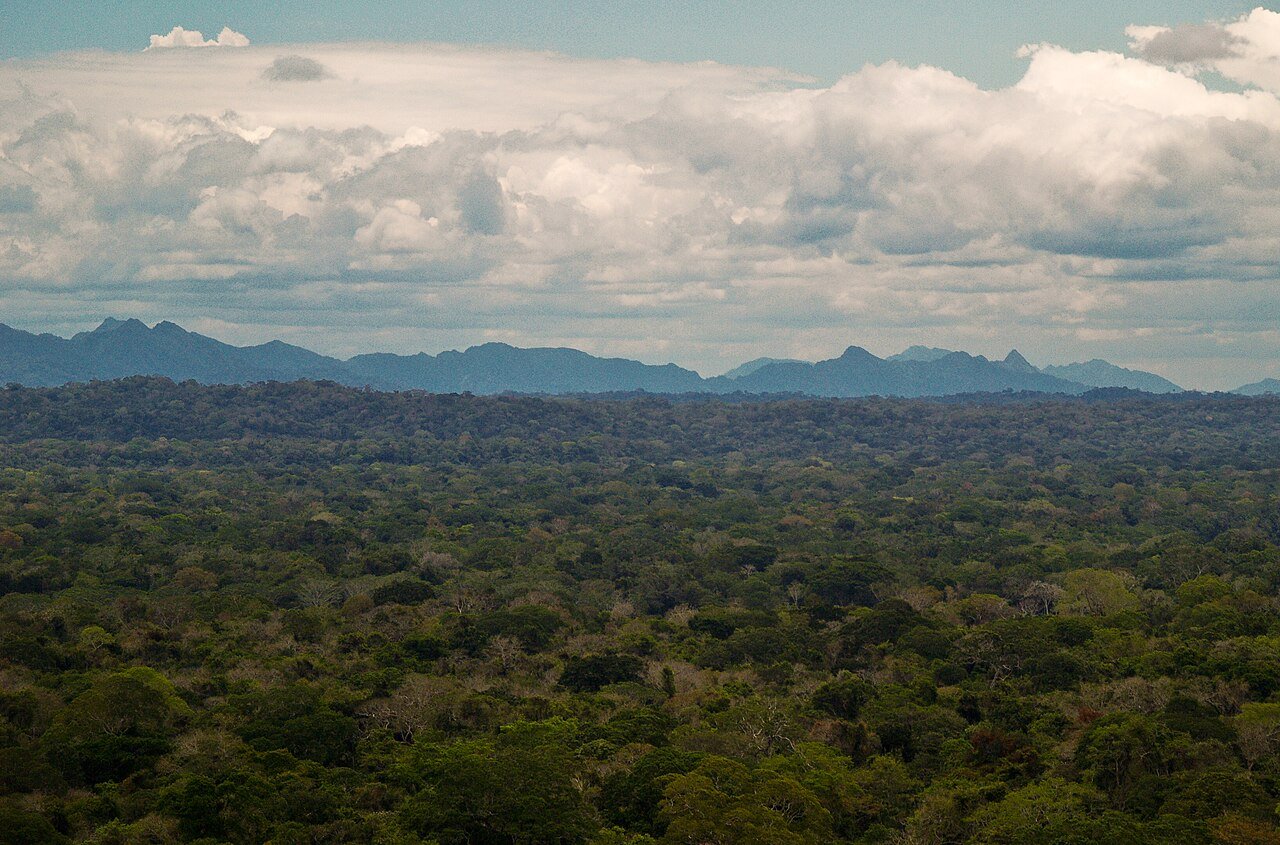
Forests and livelihoods
Conservation and restoration based on forest uses and pressures.
Forests and recovery
Conservation and restoration, with attention to wildfire risk.
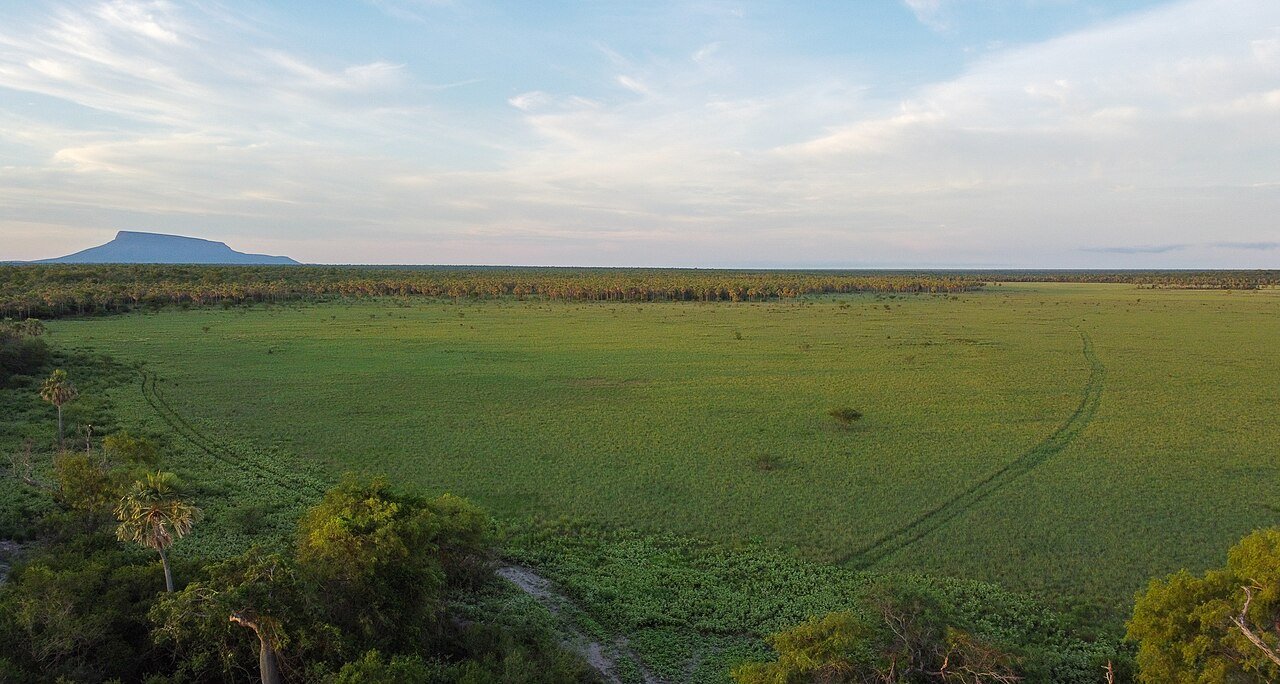
Dry forest and productive uses
Dry forest management and restoration alongside existing productive uses.
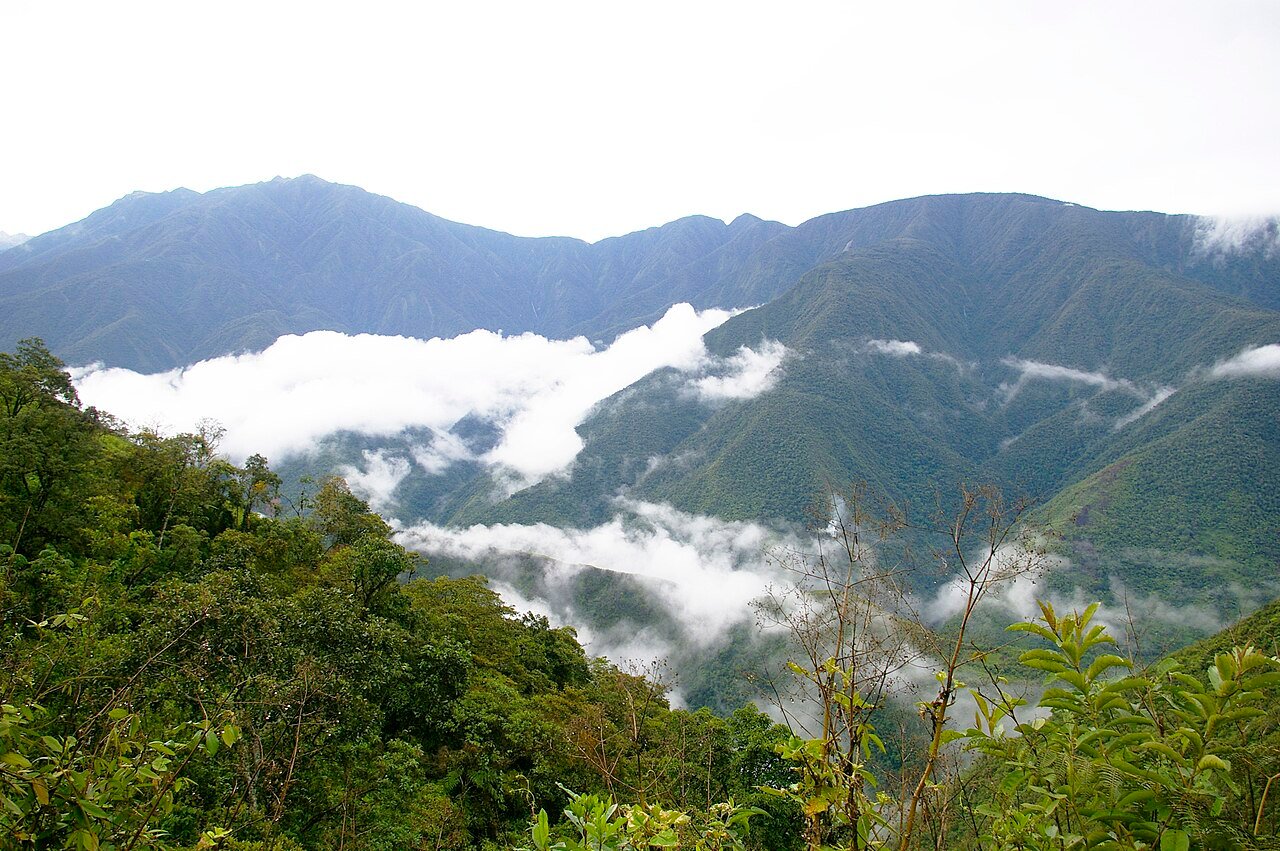
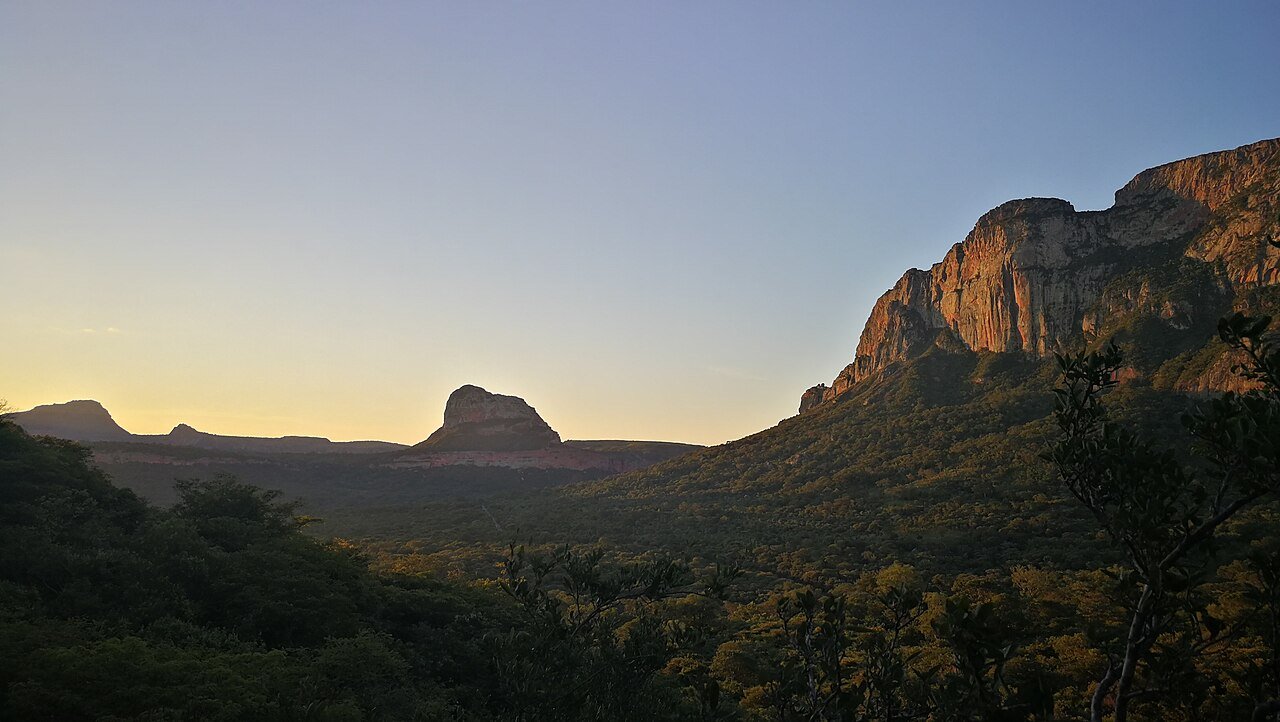
Mountain forests and watersheds
Restoration and agroforestry adapted to the terrain.
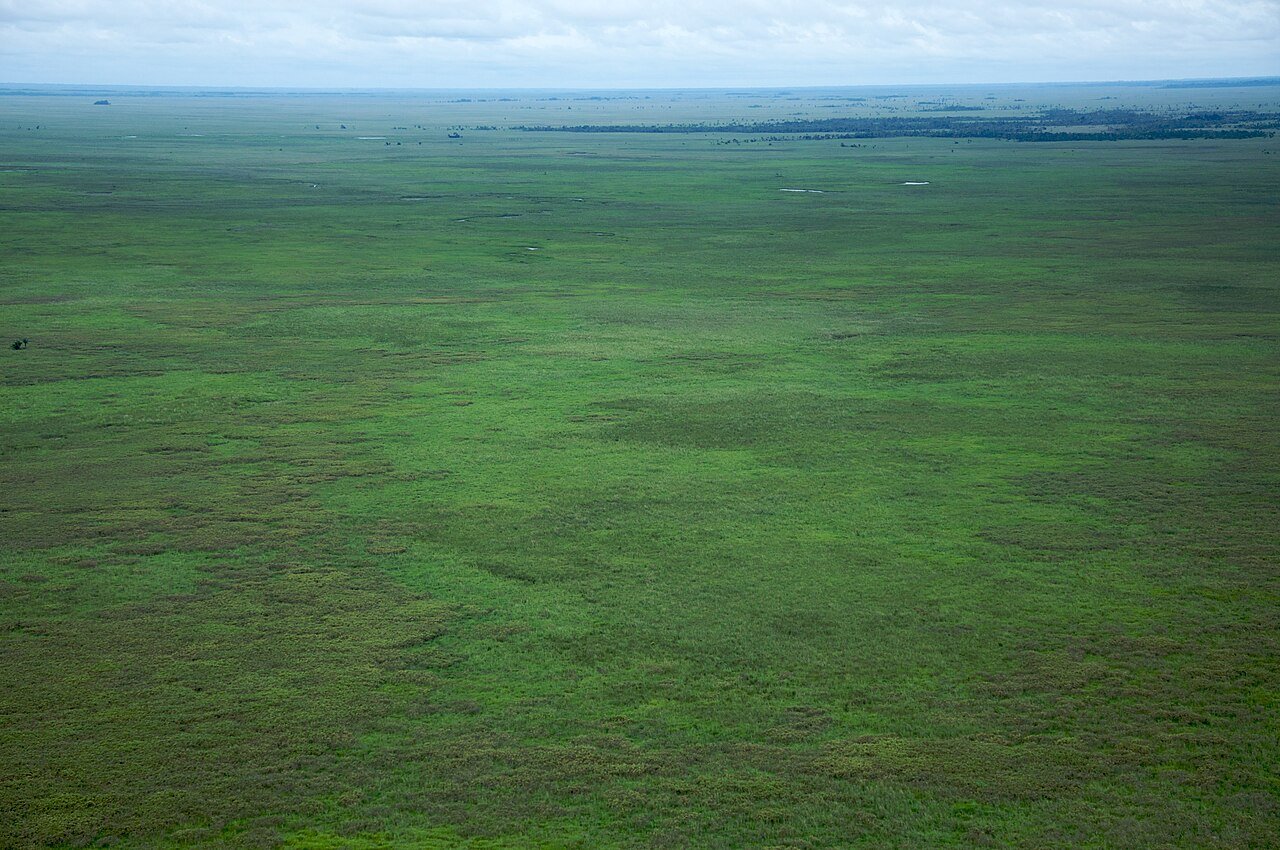
Savannas and wetlands
Water, fire and land use require specialised assessment.
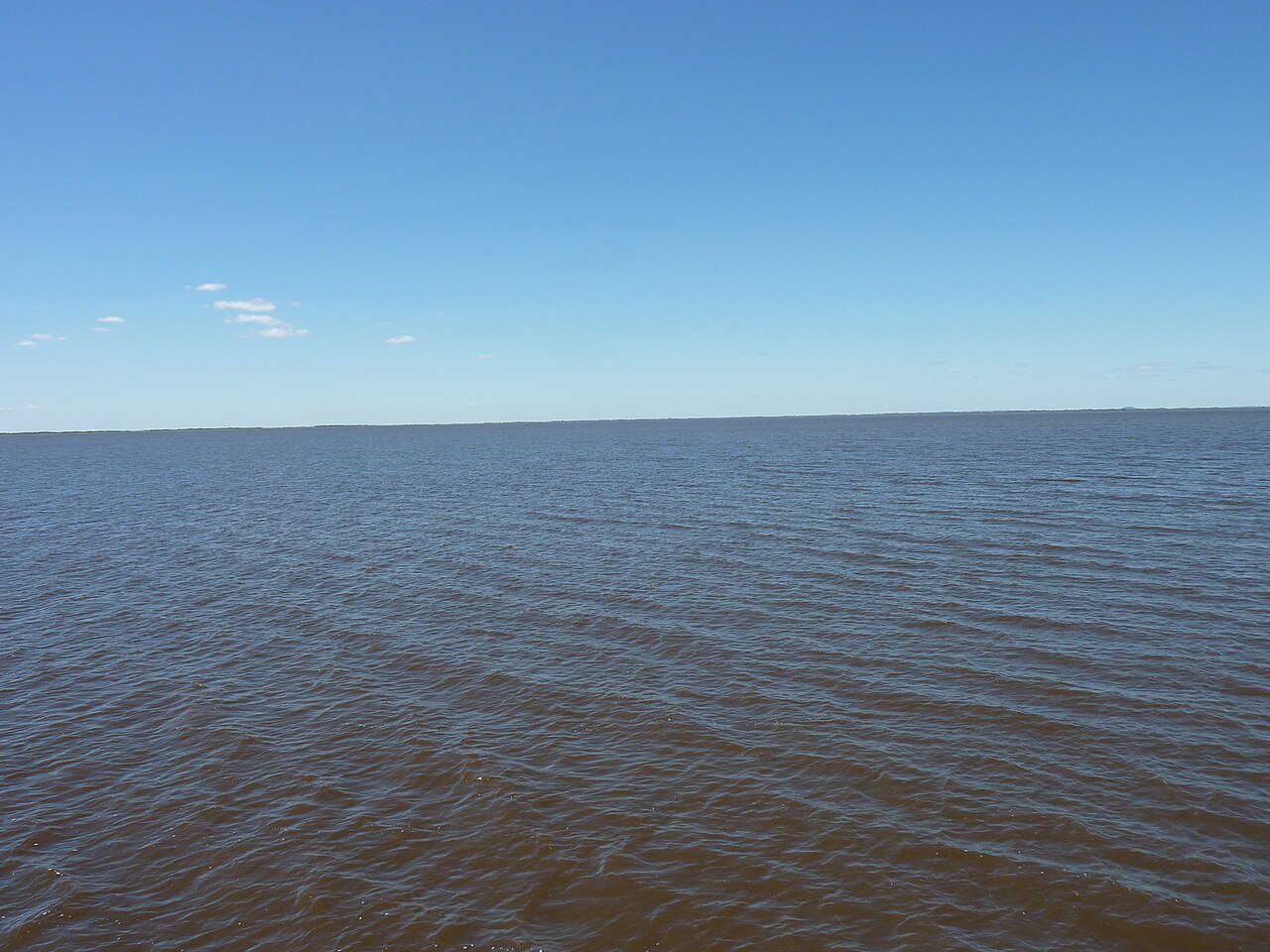
Wetlands and connectivity
Wetland conservation, subject to a specific technical assessment.
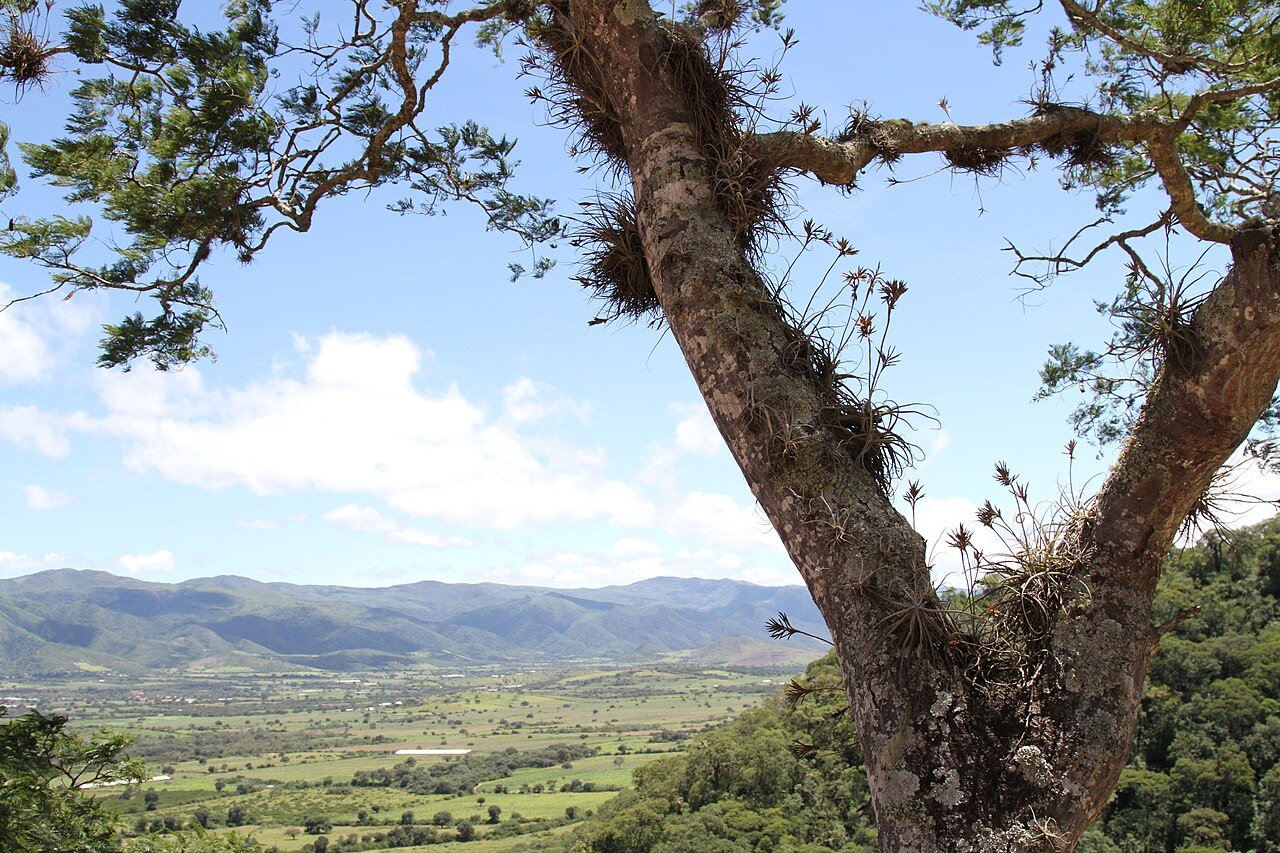
Restoration and productive landscapes
Restoration and reforestation based on water availability and suitable species.
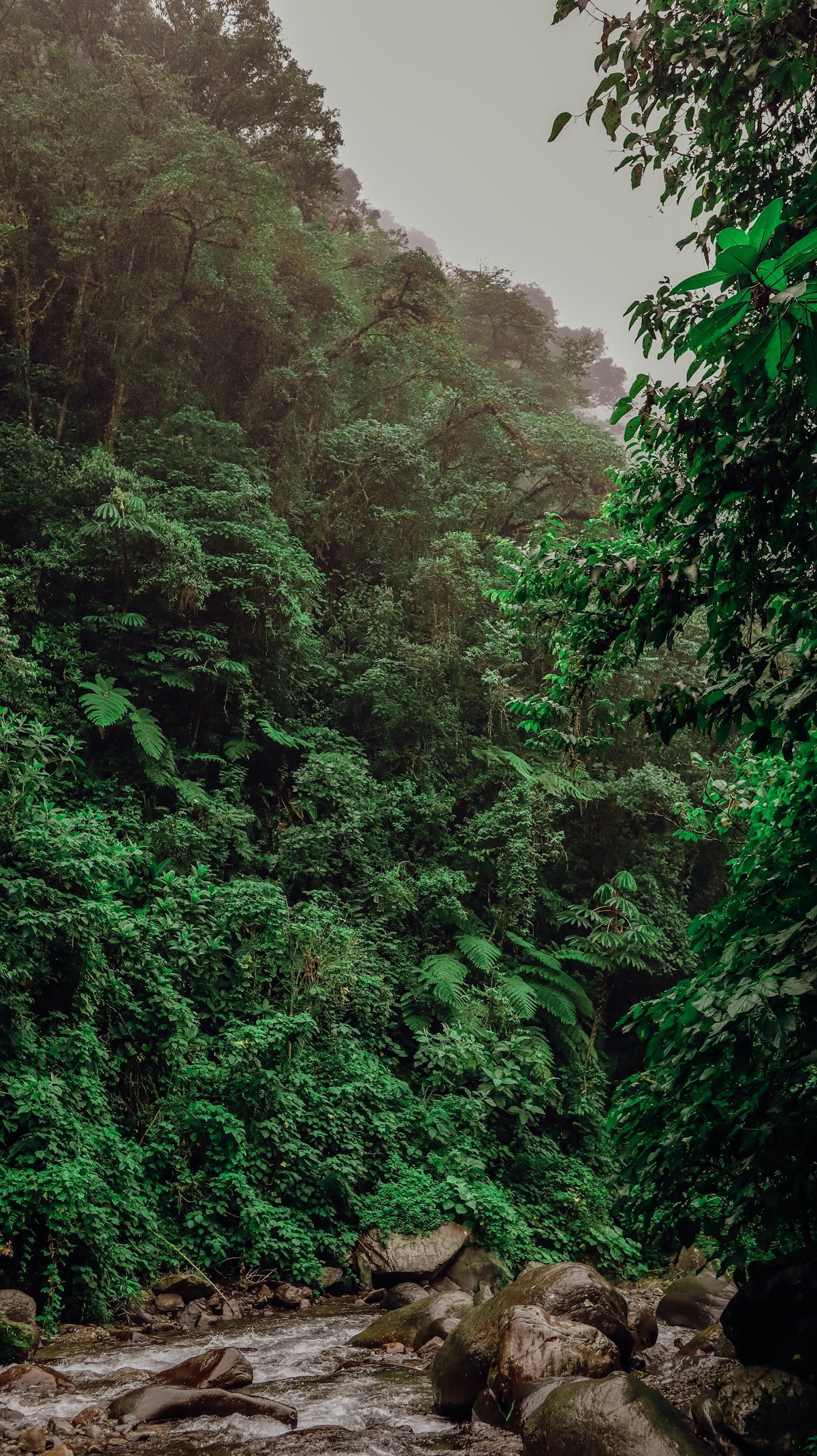
Photographs of Bolivia. Framing adapted to the cards; each photograph retains the license indicated below.
These ecoregions illustrate areas for assessment; they do not represent active projects or available credits. Each initiative requires authorisation and confirmation of eligibility.
Our process
Development has eight stages. The results of each determine whether the project continues, is adjusted or stops.
Identification and assessment
Preliminary review of tenure, representation, land cover, territorial pressures and methodological feasibility.
Expected deliverable
Assessment scope and feasibility note, identifying findings, gaps and a recommendation to proceed, revise or stop.
Progress subject to reviewTimelines and documents are defined for each project. This sequence describes the process, not the progress of a particular initiative.
Bolivian regulatory context
We review territorial rights, representation and authorisations under the applicable regulations.
Each project requires legal review before commitments are made.
Our commitments
We publish supported information and respect the organisations’ decisions.
These criteria apply from the initial assessment.
For buyers
What to review before buying carbon credits.
Clarity on territorial rights and the representation of participants. Documented consent and governance agreements.
Recognised methodologies, where applicable to the project. Independent verification and long-term monitoring of results.
Traceability of project revenue, costs and payments. Clear information on benefit-sharing agreements.
Controls to prevent the same result from being counted twice. Assessment of carbon permanence and the risk of its release back into the atmosphere.
The standard is selected for each project. Its mention does not establish certification or partnership.
Who we are
We are a Bolivian company developing forest carbon initiatives.
Our work combines financial strategy and technical territorial analysis.
Financial strategy and technical work for project development.
Strategic and Financial Lead
Director of the GH Hotel and Real Estate Group and investor across several markets; supports financial strategy.
Georeferencing and land tenure
Work on geospatial databases, property rights, technical mapping and territorial analysis.